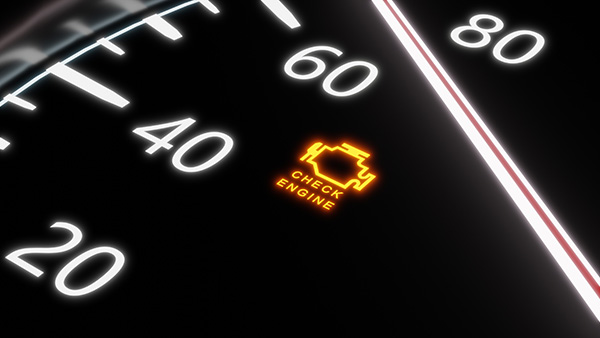
A check engine light feels less urgent when the car still drives normally. The engine starts, the steering feels fine, the brakes work, and nothing sounds broken. That makes it tempting to keep driving and wait for a more obvious symptom.
Sometimes the issue is minor. Other times, the vehicle catches a problem early before it turns into rough running, poor fuel economy, failed emissions testing, or damage to expensive parts. The light should not be ignored just because the car still feels usable.
Why The Check Engine Light Turns On
The check engine light turns on when the vehicle’s computer detects a fault in a monitored system. That can include fuel control, ignition, emissions, airflow, exhaust readings, temperature sensors, or evaporative fuel vapor control. The computer stores a trouble code to show which system noticed the problem.
That code is a starting point, not a full repair answer. A sensor code does not always mean the sensor itself failed. The real cause could be wiring, an air leak, poor fuel delivery, ignition wear, or another issue affecting the reading. That is why a proper inspection matters before parts are replaced.
Why The Car Can Still Feel Fine
Many check engine light problems begin before the driver feels anything. The computer can make small corrections to keep the engine running normally for a while. It may adjust fuel mixture, timing, idle speed, or emissions controls in the background.
That hidden correction is useful, but it does not mean the problem is harmless. A car can feel fine while using more fuel, creating higher emissions, or stressing the catalytic converter. By the time the driver notices rough idle, hesitation, or poor acceleration, the issue may already be further along.
Steady Light Vs. Flashing Light
A steady check engine light usually means the car has detected a fault that needs attention, but it may still be safe to drive for a short time if the vehicle feels normal. That does not mean it should be driven for weeks without being checked. It means you should schedule service soon and avoid hard driving until the cause is known.
A flashing check engine light is different. A flashing light often points to an active misfire that can damage the catalytic converter. If the light is flashing, reduce speed immediately and stop as soon as it is safe. Continuing to drive with a severe misfire can turn a repairable engine performance issue into a much more expensive exhaust repair.
Common Reasons The Light Comes On
Some causes of the check engine light are simple, while others require deeper testing. A loose or failing gas cap can trigger an EVAP leak code. Worn spark plugs, weak ignition coils, oxygen sensor problems, mass airflow sensor issues, catalytic converter faults, vacuum leaks, and fuel trim problems are also common.
The symptoms do not always match the seriousness of the cause. A small EVAP leak may not change how the vehicle drives at all. A misfire may start lightly, then get worse under load. A catalytic converter problem can begin with only a stored code before performance changes become obvious.
When It Is Safer Not To Drive
If the check engine light is on and the car is shaking, losing power, stalling, smelling like fuel, overheating, or making new engine noises, it is safer to stop driving and have it checked. Those symptoms suggest the problem is affecting how the vehicle runs right now.
Overheating is especially serious because heat can damage the engine quickly. A fuel smell can point to a leak or rich-running condition that should not be ignored. A rough-running engine can indicate a misfire, and misfires can damage other parts if the vehicle keeps running.
Why Clearing The Code Is Not A Fix
Clearing the code only turns the light off temporarily. It does not correct the cause. If the problem is still there, the light will come back on after the vehicle runs its self-checks again.
Clearing codes can also erase useful information. Freeze-frame data, pending codes, and readiness monitor status can help a technician understand what happened and when. If emissions testing is upcoming, clearing the light can cause the monitors to be incomplete and delay the test. Regular maintenance helps reduce many warning light problems, but once the light is on, testing is the right next step.
What A Proper Check Should Include
A good check engine light diagnostic should include more than reading a code. The technician should review stored and pending codes, freeze-frame data, live sensor readings, and the conditions that triggered the fault. From there, the related system can be tested.
That might mean checking spark plugs, coils, vacuum leaks, fuel pressure, wiring, sensor signals, exhaust leaks, or EVAP system operation. The goal is to find the cause, not just the part name that appears in the code description. That process saves money by avoiding unnecessary repairs and helping prevent repeat warning lights.
Get Check Engine Light Diagnostics In Garden Grove, CA, With Morrison Tire Inc.
If your check engine light is on, Morrison Tire Inc. in Garden Grove, CA, can scan the system, test the cause, and help you understand whether it is safe to keep driving.
To have the warning checked before it becomes a larger repair, contact us to schedule an appointment.