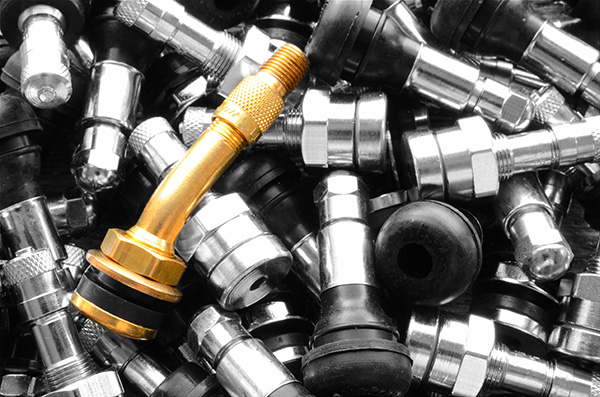
When getting new tires, most drivers focus on tread, brand, and price. The valve stem rarely gets mentioned unless there is already a problem. That small component does not seem like a big deal, but it plays an important role in keeping your tires properly inflated.
The question is whether it needs to be replaced every time you install new tires, or only when something goes wrong.
What A Valve Stem Actually Does
The valve stem is the part where you add air to the tire. It also keeps that air sealed inside once the tire is inflated. Without a proper seal, the tire slowly loses pressure, even without a puncture.
Most valve stems are made of rubber, though some vehicles use metal stems, especially with tire pressure monitoring systems. Over time, rubber stems can wear out, crack, or lose their ability to seal tightly.
Why Many Shops Recommend Replacing Them
When new tires are installed, the old valve stems are already exposed and easy to replace. That is one reason many shops recommend doing it at the same time. The cost is low compared to the labor required to remove the tire again later.
There is also the condition factor. Valve stems age just like tires do. Heat, weather, and road conditions can cause the rubber to weaken. Replacing them during tire installation helps prevent slow leaks from developing shortly after new tires are installed.
When Replacement Is A Smart Choice
There are situations where replacing the valve stems is clearly the better option. If the stems are old, cracked, or showing signs of wear, it makes sense to install new ones with the tires.
If you have experienced slow air loss without a visible puncture, the valve stem could be part of the problem. In that case, replacement helps eliminate one of the common causes of pressure loss.
Vehicles that go longer between tire replacements are also more likely to have worn stems. Waiting until they fail can lead to repeated trips to add air or diagnose a leak.
When They Might Not Need Immediate Replacement
Not every valve stem needs to be replaced with every tire installation, especially if the stems are newer or part of a tire pressure monitoring system that uses serviceable components.
Some metal stems are designed to last longer and may only require new seals or internal components rather than a full replacement. In those cases, an inspection helps determine their condition and whether service or replacement is needed.
That is why it is not always a one-size-fits-all answer. Condition matters more than habit.
What Happens If A Valve Stem Fails
A failing valve stem can cause slow leaks that are easy to overlook at first. You may find yourself adding air more frequently without seeing any obvious damage to the tire.
In more severe cases, the stem can crack or fail enough to lose air quickly. That can leave the tire underinflated or flat, which affects handling, tire wear, and safety.
Low tire pressure also creates extra heat and stress inside the tire. Over time, that can shorten the life of even a brand-new tire.
Why It Makes Sense To Address It Early
Replacing a valve stem during tire installation is quick and inexpensive. Waiting until it fails means dealing with pressure loss, possible tire damage, and another service visit.
This is where regular maintenance and a quick inspection during tire service make a difference. Checking the valve stem while the tire is already off the wheel helps prevent future problems.
It is a small step that supports the performance and lifespan of your new tires.
When To Have Them Checked
If you are getting new tires, it is the ideal time to check the valve stems. If you are already dealing with slow leaks or inconsistent tire pressure, they should be checked even sooner.
A proper inspection helps confirm whether the stems are still sealing correctly or if replacement will prevent future issues. It also helps rule out other causes of air loss.
Get Tire Service In Garden Grove, CA, With Morrison Tire Inc.
If you are installing new tires or experiencing slow air loss, Morrison Tire Inc. in Garden Grove, CA, can inspect your valve stems to ensure everything is sealing properly.
Replacing worn stems during tire service helps protect your new tires and prevents avoidable pressure issues later.